


Airtightness: Why it Matters in Housing
When talking about building or renovating homes for energy efficiency and comfort, airtightness often tops the list of priorities, and for good reason. It’s not simply a technical detail, it’s a cornerstone of temperature and moisture control, durability, health, and reducing energy costs. Yet, many new buyers and homeowners – and even some builders and renovators – underestimate the importance of airtightness.
In this blog, we’ll explore why airtightness is critical for all kinds of homes – including Net Zero Homes – and how it impacts everything from energy bills to indoor air quality.
What is Airtightness?
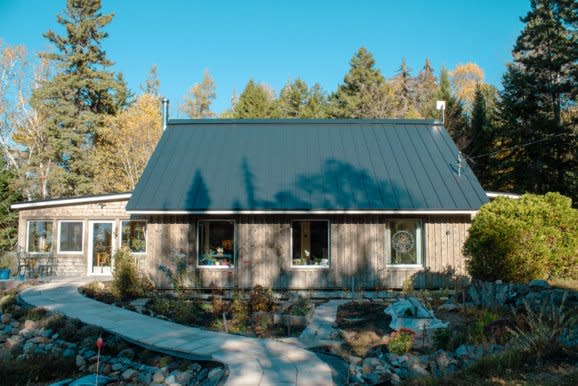
Net Zero Renovation by Qualified Net Zero Renovator Retrofit Construction and Qualified Net Zero Energy Advisor Homesol Building Solutions
Airtightness refers to how well a home prevents uncontrolled air leakage through its building envelope, which is made up of its walls, roof, and foundation. While insulation and windows get much of the attention around air leakage, airtightness is equally vital. In fact, Canadian building codes have required air barrier systems since 1995, not primarily for energy savings, but to prevent moisture from entering wall cavities and causing damage.
Why is Airtightness Important
Superior airtightness impacts every aspect of a home’s performance, and it’s what sets Net Zero and Net Zero Ready Homes apart from conventionally built homes. Here's why it matters:
Durability and Moisture Control
When warm, moist indoor air leaks into cold spaces like attics or wall cavities, it condenses on surfaces such as roof sheathing. Over time, this can lead to mould, rot, and structural deterioration. Many would remedy this issue by adding more insulation, but the more insulation added, the colder those surfaces become, which increases risks if air leakage isn’t addressed. As such, airtightness is critically important because it safeguards a home’s durability.
Even Temperatures and Fewer Drafts
A well-sealed home makes indoor spaces more comfortable. When outside air sneaks in through gaps, cracks, and holes around windows, doors, or wall assemblies, it creates drafts and cold spots. The result? Rooms feel unevenly heated, and homeowners often crank up their thermostats to compensate, which leads to further energy loss and higher energy bills.

Net Zero Renovation by Qualified Net Zero Renovator My House Design/Build Team
Improving a home’s airtightness helps maintain a more even indoor temperature throughout every season for consistent comfort. Exceptional airtightness is what helps make Net Zero Homes the ultimate in home comfort.
Superior Indoor Air Quality and Healthier Living
A tighter building envelope helps keep outdoor noise, odours, allergens and pests where they belong: outside, which is one reason why Net Zero Homes have superior indoor air quality.
Homes labelled under CHBA’s Net Zero Home Labelling Program, whether new or renovated, are required to have mechanical ventilation systems – usually an HRV or ERV – and a minimum MERV 8 filtration. Superior airtightness (1.5 air changes per hour (ACH) or better), helps these mechanical ventilation systems do a better job filtering the air and removing contaminants for healthier living.
Energy Efficiency and Lower Energy Bills
Airtightness isn’t just about comfort: it also reduces the amount of heating and cooling you need, which helps to keep your energy costs low. In fact, it’s one of the most cost-effective ways to improve home energy savings, while slashing monthly utility bills.
For example, reducing air leakage from 4.5 to 1.5 air changes per hour (ACH) can save roughly 12 gigajoules of energy annually – that’s the equivalent of adding 12–15 solar panels to a roof! It also lowers peak heating demand by up to 50%, making heat pumps and other efficient systems more viable.
Common Myth
One persistent myth is that “airtight houses can’t breathe.” The truth? All homes need ventilation, whether they’re leaky or airtight. Historically, humans relied on open windows for fresh air, but modern lifestyles and concerns about noise, security, and energy costs mean windows stay shut. Leaky homes don’t guarantee good air quality. In fact, they often pull air from undesirable places like crawl spaces. Net Zero Homes ensure the building envelope is built tight and ventilated right and gives homeowners much more control over temperature and humidity levels.
Lessons from the Field
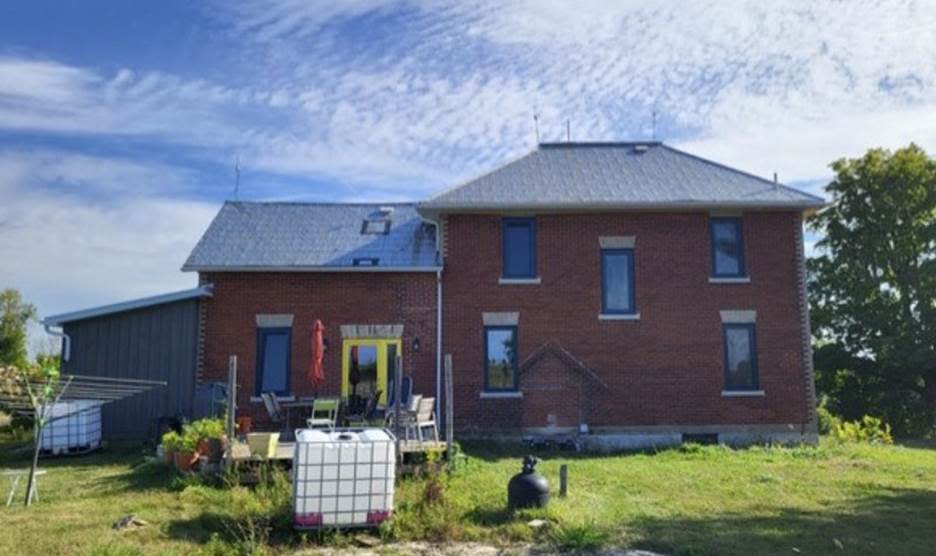
Net Zero Renovation by Qualified Net Zero Renovator The Lanark Design/Build Group and Qualified Net Zero Energy Advisor Homesol Building Solutions
Recent case studies under CHBA’s Towards Net Zero Renovations initiative, in partnership with Natural Resources Canada, shows why airtightness is important. A few of these projects were highlighted in CHBA recent Towards Net Zero Renos webinar, in collaboration with Building Knowledge Canada, “Air Tightness + Air Barrier: Renovating for IMPACT.” If you want to learn more about the impact of airtightness on a home’s performance, watch the webinar recording at chba.ca/webinars.
Overall, airtightness is the unsung hero of Net Zero Homes. It protects a home’s durability, enhances comfort, improves indoor air quality and energy efficiency, and helps lower energy bills. If you’re looking to improve your home’s airtightness, find a Qualified Net Zero Builder or Renovator near you through CHBA’s Net Zero Builder and Renovator directory.
For a deep dive into airtightness, Natural Resources Canada has some great information on the basics of home performance, controlling air leakage in your walls, and fixing holes in your home.
Found this helpful? Spread the word on social media
Explore more articles you’ll love

How CHBA Net Zero Homes Deliver Resilience
<p>How CHBA Net Zero Homes Deliver Resilience Extreme weather can affect our ability to...
CHBA Fraser Valley Boot Bank helps students step into careers in residential construction
CHBA Fraser Valley Boot Bank helps students step into careers in residential construction CHBA...
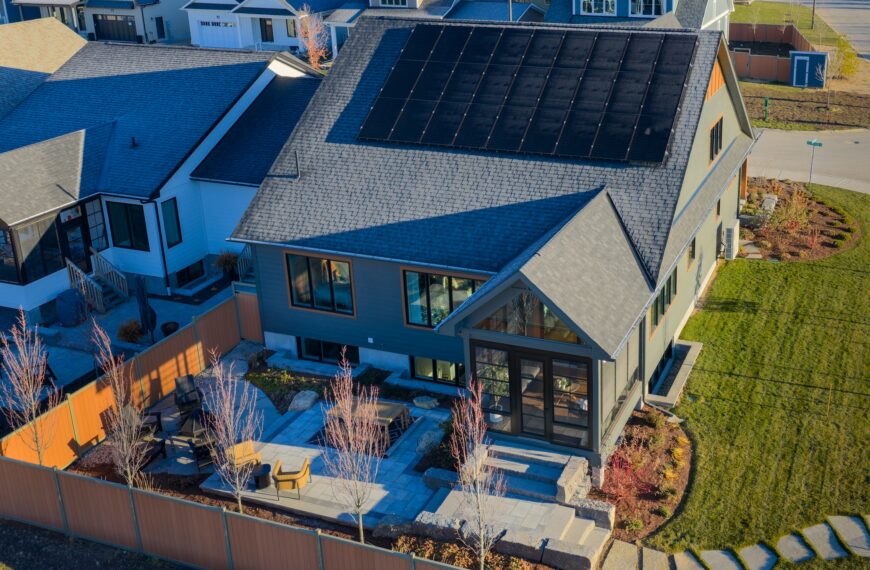
Watercolour Westport Brings Net Zero Homebuilding to Cottage Country
Watercolour Westport Brings Net Zero Homebuilding to Cottage Country At the 2026 CHBA National Awards...
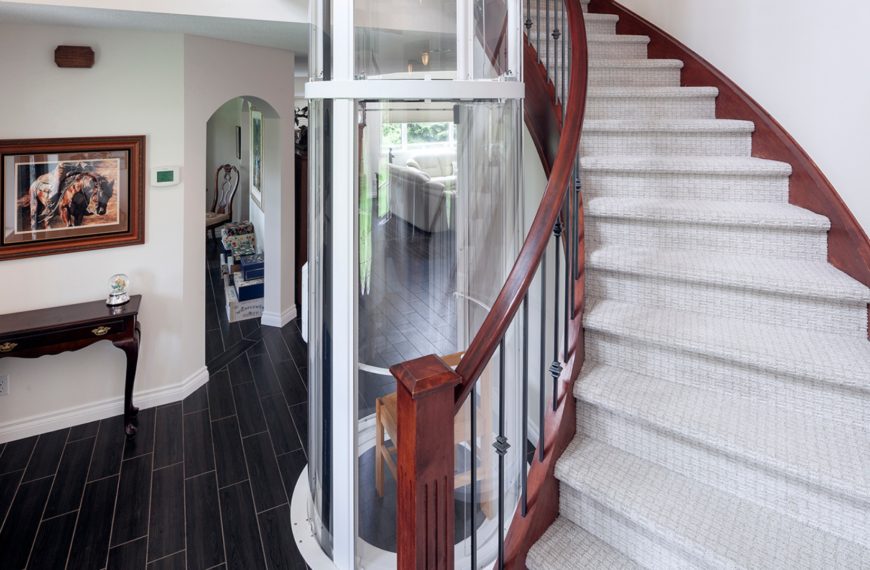
Setting the Standard: The Church Residence Wins Canada’s First-Ever Best Adaptiv Home Award
Setting the Standard: The Church Residence Wins Canada’s First-Ever Best Adaptiv Home Award When...

BILD Central Alberta members collect winter gear for Red Deer’s most vulnerable
BILD Central Alberta members collect winter gear for Red Deer’s most vulnerable Members of...