


Creating a Home for Life: Tips on Renovating for Aging in Place

Did you know that nearly 90% of Canadians wish to stay in their homes for as long as possible? As we age, our mobility and physical abilities can change, making it challenging to navigate our homes. But there are adaptations you can make to your home to help ease the transition, making your home safer and more accessible so that you can stay in it for as long as possible.
If you or a loved one want to stay in your home longterm, it’s important to prioritize creating a home environment that will support your evolving physical abilities – ideally, well before it’s a necessity and you have to make changes in a hurry.
Homes that are designed with aging in place in mind can reduce the risk of falls and accidents. They can also increase comfort and make day-to-day activities easier, and not just for those who have physical challenges. For example, features such as low-threshold showers, drawers instead of cabinets, non-slip flooring, and adjustable lighting can make it easier for anyone to navigate their home and carry out daily activities. There are many home modifications – big and small – that can be done to your home to help you stay in it longer. A Qualified Adaptiv Home Specialist will be able to consult with you on your goals, challenges, and budget, and advise on how best to proceed.
Overall, prioritizing a functional living environment is essential for maintaining physical and emotional well-being as we age. Here are some tips to renovate your home for aging in place. Keep in mind that everyone’s needs are different and so not all solutions listed below may be applicable for your situation. This list is just to give you an idea of possible Adaptiv Home renovation solutions.
- Consider installing non-slip flooring in areas that may become wet, such as the bathroom or kitchen. This can greatly reduce the risk of falls.
- In the kitchen, consider installing pull-down shelves and drawers to make it easier to access items without having to bend or stretch too far.
- When renovating your home, consider widening doorways to accommodate wheelchairs or walkers if necessary. Wider doorways and hallways can also make it easier to move furniture and alleviate congestion if you have a large household.
- In addition to grab bars, installing a shower seat or a walk-in bathtub will make bathing safer and easier.
- If you have a front porch or steps leading to your home’s entrance, consider installing a ramp or a vertical platform lift to make it more accessible for those with mobility impairments.
- Install handrails on both sides of stairs and walkways to provide extra support and stability.
- Remove any tripping hazards, such as loose rugs or electrical cords, to reduce the risk of falls.
- Make sure your lighting is adequate, especially in areas like hallways and stairways. Consider adding motion-sensor lights so that you always have enough light to see where you’re going.
- Install lever-style door handles instead of traditional round knobs, as they can be easier for people with limited dexterity to use.
- If you have a home with multiple levels, an elevator or stair lift will make it easier to move between floors.
- Install a smart home system that allows you to control various features of your home – such as lighting, temperature, and security – with voice commands or a smartphone app. This can be especially helpful for people with limited mobility or dexterity.
- Use contrasting colors to make it easier to navigate through your home. For example, you can use a darker color for the edges of stairs to make them more visible.
- Consider installing a home monitoring system that can alert your loved ones or caregivers if you experience a fall or other emergency.
- Use furniture that is easy to move around and reconfigure, such as lightweight chairs and tables on wheels.
- Make sure your home has a comfortable and inviting atmosphere that reflects your personal style and preferences. This can help you feel more relaxed and at ease, which is important for your overall well-being.
- Create designated spaces for different activities, such as reading or watching TV, to help you stay organized and focused.
- Use technology to stay connected with your family and friends, such as video chat apps or social media platforms.
- Finally, in addition to hiring a Qualified Adaptiv Home Specialist to guide you, don’t be afraid to ask for help or advice from your loved ones, healthcare providers, or community resources. There are many organizations and programs available that can provide support and assistance for aging in place.
Making your home more accessible doesn’t have to be expensive or difficult. Even small changes can make a big difference in improving safety and comfort for everyone who lives there. These modifications should be tailored to your specific needs and abilities. Consult with a Qualified Adaptiv Home Specialist to ensure that your renovations are safe, up to building codes and standards, and meet your specific needs. By making these changes, you can create a comfortable and safe living space that allows you to age in place with confidence.
Found this helpful? Spread the word on social media
Explore more articles you’ll love

How CHBA Net Zero Homes Deliver Resilience
How CHBA Net Zero Homes Deliver Resilience Extreme weather can affect our ability to...

CHBA Fraser Valley Boot Bank helps students step into careers in residential construction
CHBA Fraser Valley Boot Bank helps students step into careers in residential construction CHBA...
Watercolour Westport Brings Net Zero Homebuilding to Cottage Country
Watercolour Westport Brings Net Zero Homebuilding to Cottage Country At the 2026 CHBA National Awards...
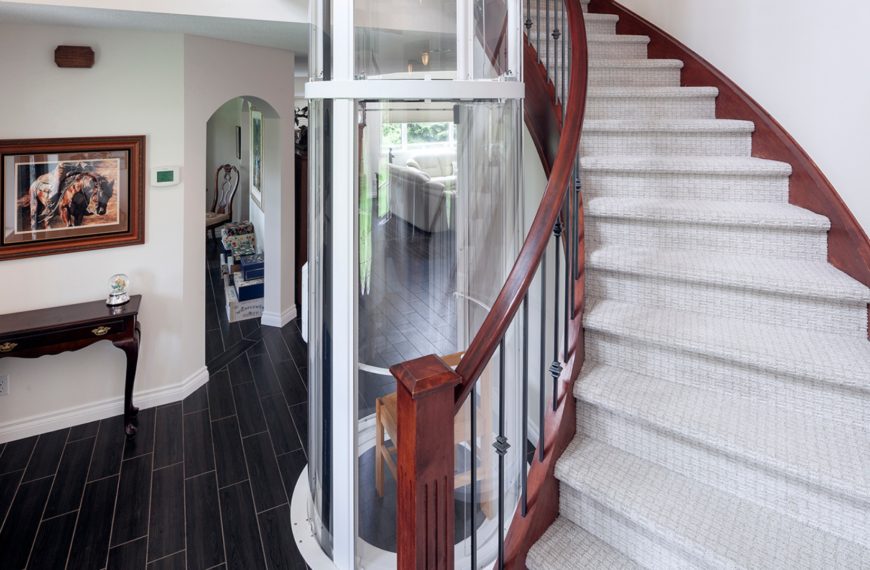
Setting the Standard: The Church Residence Wins Canada’s First-Ever Best Adaptiv Home Award
Setting the Standard: The Church Residence Wins Canada’s First-Ever Best Adaptiv Home Award When...
BILD Central Alberta members collect winter gear for Red Deer’s most vulnerable
BILD Central Alberta members collect winter gear for Red Deer’s most vulnerable Members of...